A Complete Guide to Traveling Smart
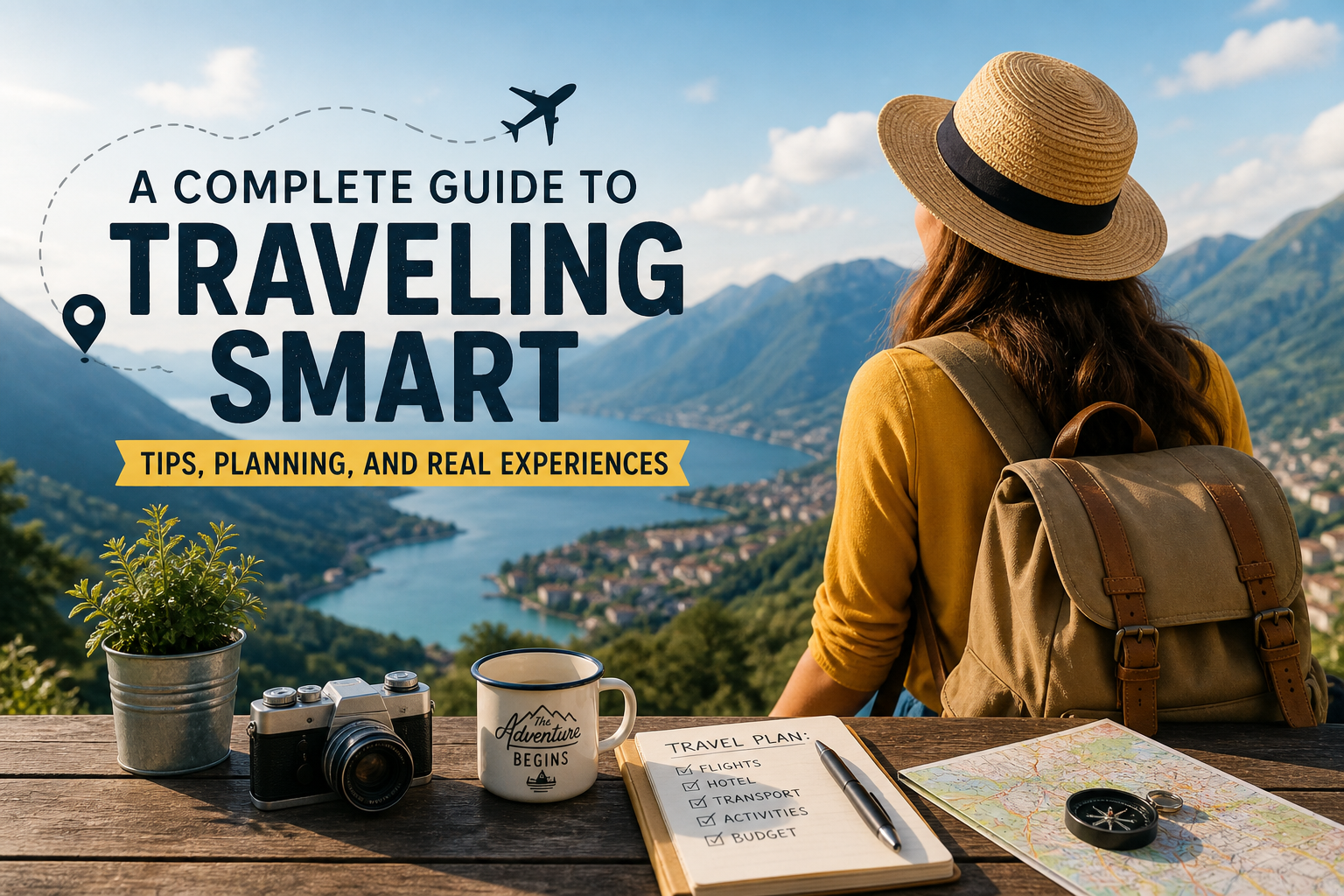
A solo traveler enjoying a scenic sunset view over a coastal town, reflecting thoughtful travel experiences
Travel is often seen as an escape. A break from routine. A way to see new places and meet different people. But in reality, good travel is less about where you go and more about how you plan and experience it.
Some trips feel effortless and memorable. Others feel rushed, expensive, or exhausting. The difference usually comes down to preparation, expectations, and small decisions made along the way.
This guide focuses on practical ways to travel better. Not just cheaper, but smarter.
Why Travel Still Matters
Travel is not just about ticking destinations off a list. It gives you a shift in perspective.
You start noticing how people live differently. How cities function. How culture shapes everyday life. Even short trips can change how you see your own routine.
It also helps break mental fatigue. A change of environment often brings clarity that you don’t get when you stay in the same place for too long.
But to get these benefits, the trip needs to be intentional, not chaotic.
Start With a Clear Plan (But Keep It Flexible)
Planning is where most trips succeed or fail.
A good plan doesn’t mean filling every hour. It means knowing the basics:
Where you’ll stay
How you’ll get around
What you don’t want to miss
Many travelers make the mistake of overplanning. They try to visit too many places in too little time. This usually leads to stress instead of enjoyment.
A better approach is to pick fewer places and spend more time in each.
For example, instead of visiting five cities in seven days, focus on two or three. This gives you space to explore without feeling rushed.
At the same time, leave room for flexibility. Some of the best travel moments are unplanned.
Choosing the Right Destination
Not every destination fits every type of traveler.
Before deciding where to go, think about what you actually want:
Relaxation or exploration
Nature or city life
Budget or luxury
Solo experience or group travel
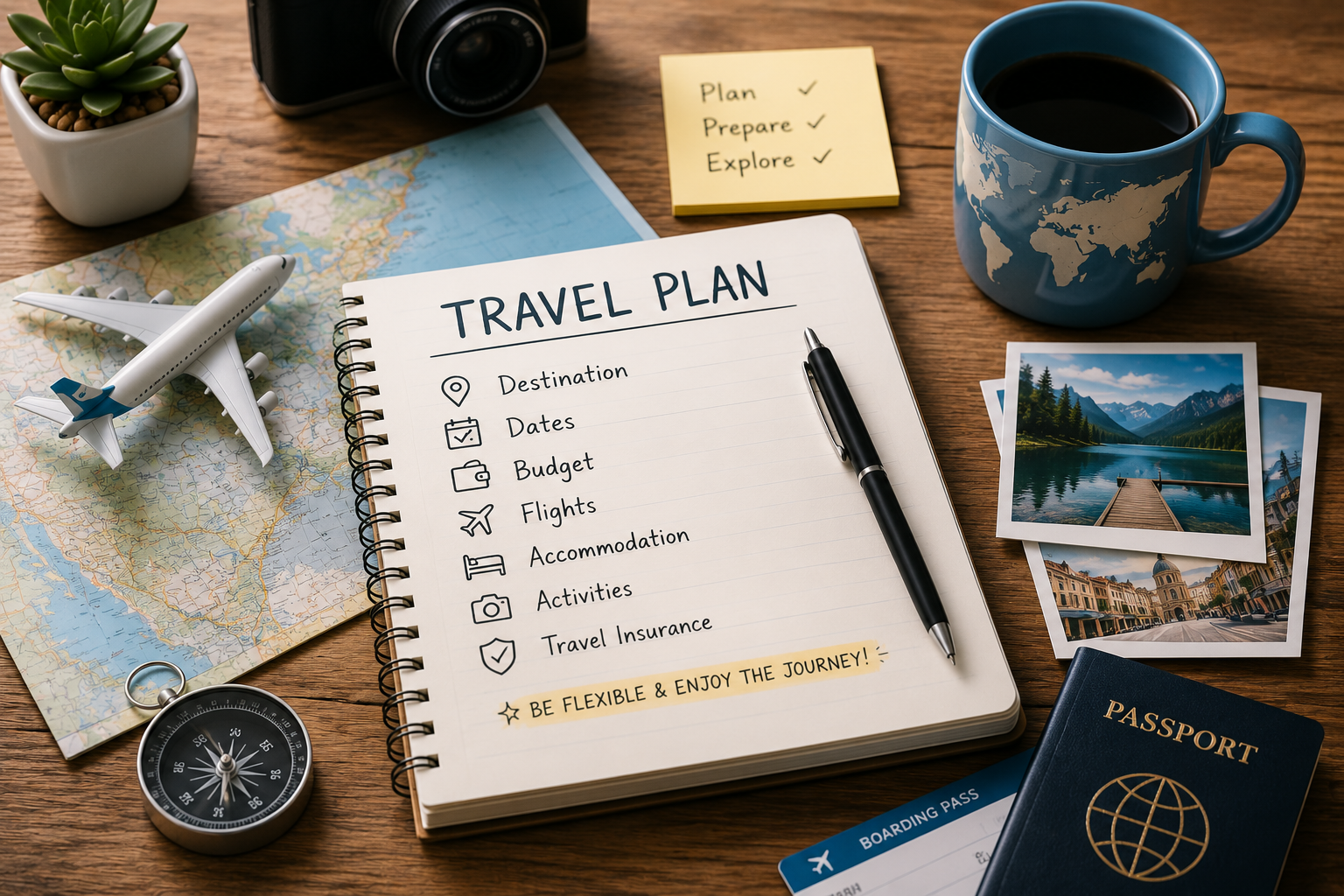
If you choose a place that matches your goal, the trip naturally feels better.
For instance, if your goal is rest, a quiet coastal town works better than a busy tourist city. If you want activity and energy, a major city may be a better fit.
Avoid choosing a destination just because it’s popular online.
Budgeting Without Overthinking
Money is one of the biggest concerns in travel. But budgeting doesn’t have to be complicated.
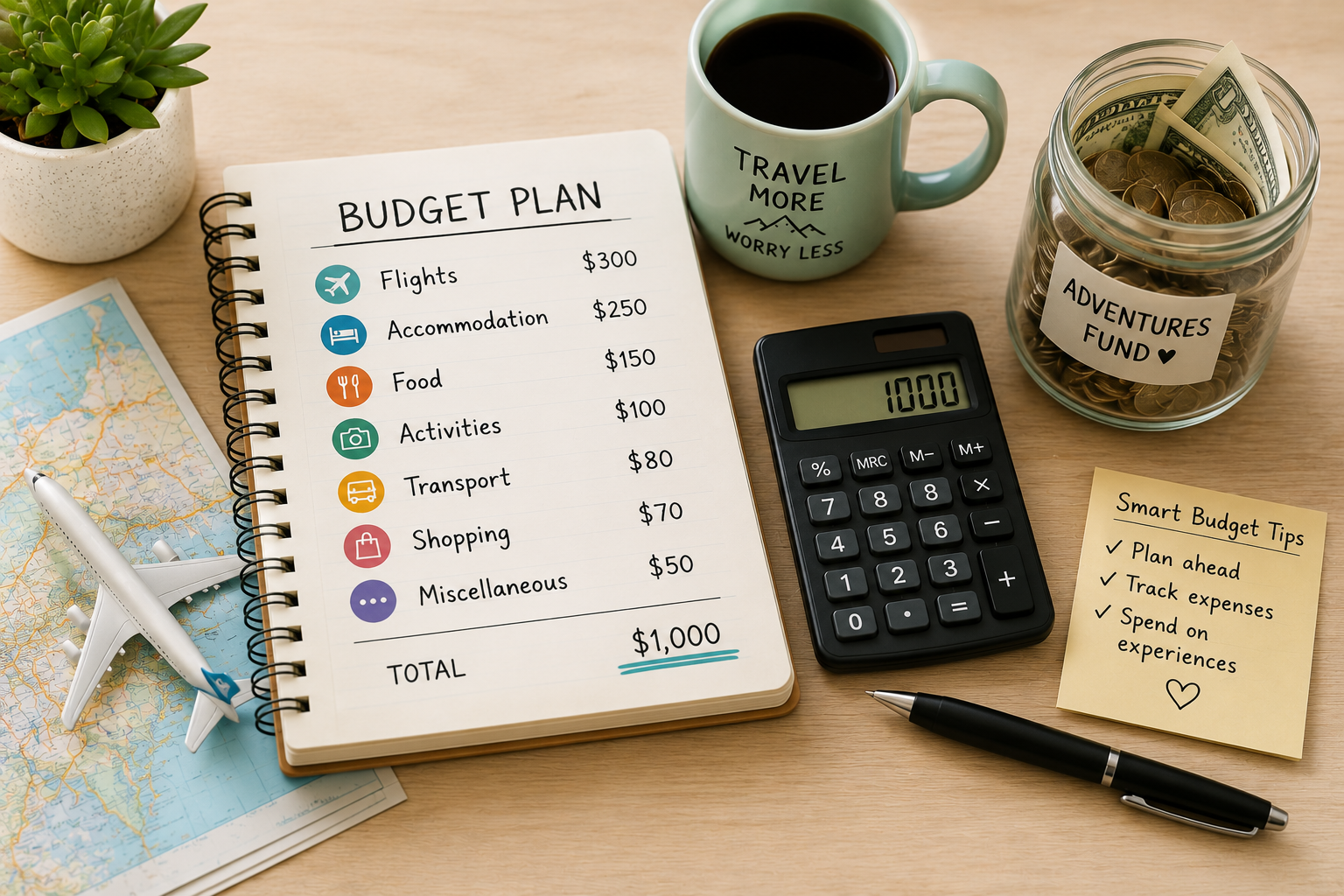
Break your budget into simple categories:
Flights or transport
Accommodation
Food
Activities
Local travel
Once you have a rough estimate for each, you get a clear picture of your total cost.
A few practical ways to manage expenses:
Book flights early when possible
Stay slightly outside main tourist areas
Use local transport instead of taxis
Mix restaurant meals with simple local food
Budget travel is not about spending the least. It’s about spending wisely.
Packing Smarter, Not More
Packing is often underestimated. Many people carry more than they need, which creates inconvenience throughout the trip.
A simple rule: pack for comfort, not “just in case.”
Focus on:
Versatile clothing
Comfortable footwear
Essential documents
Basic toiletries
A small first-aid kit
Avoid overpacking gadgets and extra items you may never use.
A lighter bag makes moving between places easier and reduces stress.
Staying Connected While Traveling
Staying connected is important, especially for navigation, bookings, and communication.
Instead of relying on expensive roaming, consider:
Local SIM cards
eSIM options
Reliable Wi-Fi at accommodation
Having access to maps, bookings, and communication tools can save time and prevent confusion.
For business travelers, staying connected also means managing calls and messages professionally, even while on the move.
Understanding Local Culture
One of the most valuable parts of travel is experiencing local culture.
This doesn’t require deep research, but a basic understanding helps:
Local customs and etiquette
Language basics (even simple greetings)
Food habits
Social behavior
Respecting local culture makes interactions smoother and more meaningful.
It also helps avoid uncomfortable situations.
Balancing Activities and Rest
Many travelers try to do too much in a short time.
They plan every hour with activities, tours, and sightseeing. By the end of the trip, they feel more tired than before.
A better approach is balance.
For every busy day, keep some slower time:
Walk around without a fixed plan
Sit in a café and observe
Explore a local market
These moments often become the most memorable.
Traveling Solo vs With Others
Both have their advantages.
Solo travel offers freedom. You decide everything. You move at your own pace. It’s also a good way to build confidence.
Group travel offers shared experiences. It can feel safer and more social. Costs can also be shared.
The choice depends on your personality and the type of trip you want.
Some travelers even mix both, starting solo and joining group activities during the trip.
Handling Unexpected Situations
No trip is perfect. Delays, cancellations, or minor issues can happen.
The key is not to panic.
Some simple ways to handle problems:
Keep digital and physical copies of important documents
Have a small emergency fund
Save offline maps
Keep contact details of your accommodation
Being prepared doesn’t remove problems, but it makes them easier to manage.
Making Travel More Meaningful
Travel becomes more meaningful when you go beyond the surface.
Instead of only visiting popular spots, try:
Talking to locals
Trying local food instead of international chains
Visiting less crowded areas
Learning small details about the place
These experiences create stronger memories than just taking photos.
Capturing Memories Without Overdoing It
Photos are important, but they shouldn’t take over the experience.
Many travelers spend too much time trying to capture the perfect shot.
Instead:
Take a few photos
Then put the phone away
Focus on the moment
Some memories are better experienced than recorded.
Returning Home Without Losing the Experience
One common feeling after travel is the “post-trip drop.”
You return to routine and feel disconnected from the experience.
To avoid this:
Reflect on what you learned
Keep small habits you enjoyed during travel
Plan your next trip, even if it’s small
Travel doesn’t end when the trip ends. It stays with you in how you think and act.
Final Thoughts
Good travel is not about distance or cost. It’s about how you approach it.
A well-planned trip with the right expectations can feel effortless. A poorly planned one can feel exhausting, no matter how beautiful the destination is.
Focus on clarity, balance, and simple decisions. Choose places that match your goals. Stay flexible. Spend wisely. And most importantly, give yourself time to actually experience the journey.
That’s what turns a trip into something worth remembering.
Frequently Asked Questions
Traveling smart means planning your trip clearly, spending wisely, packing only what you need, and leaving enough flexibility to enjoy the journey without stress.
Choose your destination, accommodation, transport, and main activities first. Then leave free time each day for rest, local food, walking around, or unplanned experiences.
Book transport early, compare accommodation options, use local transport, eat at local places, and avoid filling your trip with too many paid activities.
Pack comfortable clothes, good walking shoes, travel documents, basic toiletries, chargers, and a small first-aid kit. Avoid carrying too many “just in case” items.